

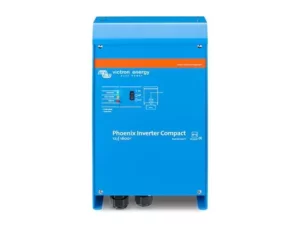
In today’s world, electronics play a crucial role in our daily lives. From powering our homes to keeping us connected with the world, they have become an essential part of our existence. However, with the increasing demand for energy-efficient solutions, traditional electronics powered by AC are being replaced by DC-powered ones. And that’s where Dc Inverter comes into play. These innovative devices convert direct current (DC) into alternating current (AC), making it possible to use and control a wide range of electronic devices. In this blog post, we’ll delve deeper into the world of Dc-Inverters, their benefits, and how they can unleash the full potential of your electronics.
The Basics of a DC-Inverter
Dc-Inverters are electronic devices that play a crucial role in converting direct current (DC) into alternating current (AC). But what exactly is a Dc-Inverter, and how does it work? Let’s dive into the basics.
At its core, a Dc-Inverter is made up of a rectifier, an inverter, and a controller. The rectifier converts the AC power supply into DC power, which is then stored in a battery. The inverter, on the other hand, converts the DC power back into AC power, allowing you to power your electronic devices.
One of the critical features of a Dc-Inverter is its ability to regulate the frequency and voltage of the AC power. It means that you can control the output power according to the requirements of your electronic devices. For example, if you have sensitive electronics that require a stable power supply, a Dc-Inverter can ensure that they receive the optimal voltage and frequency.
Additionally, Dc-Inverters are known for their efficiency. Unlike traditional electronics that waste a significant amount of energy through heat dissipation, Dc-Inverters convert the power with minimal energy loss. It makes them an excellent choice for energy-saving solutions and reducing your carbon footprint.
Understanding the Need for DC – AC Conversion
To truly understand the need for DC-AC conversion, we need to take a step back and examine the two types of current involved. Direct current (DC) flows continuously in one direction while alternating current (AC) oscillates back and forth. So why do we need to convert DC to AC?
The answer lies in the fact that most electronic devices are designed to run on AC power. It is because AC power can be easily transmitted over long distances and is more efficient for powering appliances and electronics. However, many renewable energy sources, such as solar panels and wind turbines, generate DC power. So, in order to utilize these sustainable energy sources and power our homes and businesses, we need to convert the DC power they produce into AC power.
Additionally, AC power allows for more efficient transmission, which means less energy loss during distribution. That is why power plants generate electricity in the form of AC. By converting DC to AC, we can tap into the existing AC infrastructure and take advantage of its efficiency.
In summary, the need for DC-AC conversion arises from the fact that many electronic devices are designed to run on AC power, and renewable energy sources often produce DC power. By converting DC to AC, we can make the most of sustainable energy sources and tap into the existing AC infrastructure for efficient distribution.
How does a DC-Inverter Work?
A Dc-Inverter may seem like a complex device, but understanding how it works can demystify its inner workings. At its core, a Dc-Inverter is a device that converts direct current (DC) into alternating current (AC). But how does it do that?
The process begins with the rectifier, which converts the AC power supply into DC power. This DC power is then stored in a battery for later use. When you’re ready to power your electronic devices, the inverter takes over. It converts the DC power back into AC power, which can then be used to run your appliances, charge your devices, or even power an entire building.
One of the key features of a Dc-Inverter is its ability to regulate the frequency and voltage of the AC power it produces. It means that you can control the output power according to the requirements of your electronic devices. Whether you need a stable power supply for sensitive electronics or a higher voltage for power-hungry appliances, a Dc-Inverter can provide the necessary adjustments.
Not only does a Dc-Inverter offer control and versatility, but it is also known for its energy efficiency. Unlike traditional electronics that waste a significant amount of energy through heat dissipation, Dc-Inverters convert power with minimal energy loss. It makes them an excellent choice for energy-saving solutions and reducing your carbon footprint.
 Various Applications of DC-Inverters
Dc-Inverters have a wide range of applications and can be used in various settings to power electronic devices efficiently. Let’s explore some of the most common applications of Dc-Inverters.
- Residential Use: Dc-Inverters are ideal for residential use, especially in areas with limited access to the grid or during power outages. They can power essential appliances, such as refrigerators, televisions, and lights, ensuring that you have electricity when you need it the most.
- Commercial Use: Many businesses rely on a continuous power supply to operate effectively. Dc-Inverters can power computers, printers, and other office equipment, providing a stable and reliable source of energy.
- Renewable Energy Systems: As mentioned earlier, renewable energy sources like solar panels and wind turbines generate DC power. By using a Dc-Inverter, this DC power can be converted into AC power and fed into the grid or used to power homes and businesses.
- Telecommunications: In the telecommunications industry, reliable power is essential for maintaining communication networks. Dc-Inverters are often used to provide backup power for cell towers and other communication infrastructure, ensuring uninterrupted connectivity.
- Transportation: Electric vehicles (EVs) rely on Dc-Inverters to convert DC power from the battery into AC power to drive the motor. Dc-Inverters also play a crucial role in charging stations, converting AC power from the grid into DC power to charge the vehicle’s battery.
These are just a few examples of the many applications of Dc-Inverters. Whether it’s powering your home, running your business, or driving electric vehicles, Dc-Inverters offer a versatile and efficient solution for all your power needs.
Different Types of DC – AC Inverters
When it comes to DC-AC inverters, there are several different types available, each with its unique features and applications. These are just a few examples of the different types of DC-AC inverters available. When choosing the right inverter for your needs, it’s essential to consider factors such as power requirements, compatibility with your electronic devices, and any specific features or functionalities that may be required for your application. Let’s take a closer look at some of the most common types of DC-AC inverters on the market today.
Modified Sine Wave Inverters:
This type of inverter is the most affordable and commonly used for basic applications. It produces a modified sine wave output that can power most electronic devices but may not be compatible with sensitive equipment like certain medical devices or variable speed motors.
Pure Sine Wave Inverters:
Pure sine wave inverters are designed to produce a smooth and clean AC output that replicates the power from a standard electrical grid. It makes them ideal for powering sensitive electronics, such as medical equipment, laptops, and appliances. They are also more energy-efficient and tend to have a longer lifespan.
Grid-Tie Inverters:
These inverters are specifically designed to work with renewable energy systems, such as solar panels or wind turbines. They convert DC power generated by these systems into AC power that can be fed back into the electrical grid or used to power your home or business. They often come with advanced features like maximum power point tracking (MPPT) for optimized energy production.
Micro Inverters:
Micro inverters are a newer type of inverter that is typically used in solar panel systems. Unlike traditional inverters that are installed at a central location, microinverters are attached to each solar panel. It allows for greater flexibility, improved efficiency, and better performance, especially in cases where shading or panel orientation varies.
Choosing the Right DC-Inverter for Your Needs
When it comes to choosing the right Dc-Inverter for your needs, there are several factors to consider. First and foremost, you need to determine the power requirements of your electronic devices. It will help you determine the wattage capacity of the inverter you need.
Next, consider the compatibility of the inverter with your electronic devices. Different devices may have different voltage and frequency requirements, so it’s essential to choose an inverter that can provide the necessary adjustments. For sensitive electronics, such as medical equipment or laptops, a pure sine wave inverter may be the best option as it provides a clean and stable power output.
Additionally, consider any specific features or functionalities that may be required for your application. For example, if you’re using renewable energy sources like solar panels, a grid-tie inverter with maximum power point tracking (MPPT) capability can optimize energy production.
Lastly, consider the reliability and reputation of the manufacturer. Look for customer reviews and ratings to ensure that you’re choosing a high-quality and reliable Dc-Inverter.
Advantages of Using a DC-Inverter in Your Home or Business
Using a Dc-Inverter in your home or business offers numerous advantages that can significantly enhance your experience with electronic devices. Let’s explore some of the key benefits of incorporating a DC-inverter into your power system.
First and foremost, a Dc-Inverter provides a versatile and efficient solution for powering your electronic devices. Whether you want to run essential appliances in your home or keep your business operations running smoothly, a Dc-Inverter can deliver a stable and reliable power supply. It means you won’t have to worry about sudden power outages or disruptions that can damage your devices or interrupt your workflow.
Another advantage of using a DC-inverter is its energy-saving capabilities. DC-inverters are known for their efficiency in converting power, resulting in minimal energy loss and reduced electricity consumption. It not only helps you save money on your energy bills but also contributes to a greener and more sustainable environment.
Furthermore, DC-inverters provide greater control over the voltage and frequency of the AC power they produce. It means you can tailor the power output to meet the specific requirements of your electronic devices, ensuring they receive the optimal level of energy for efficient and reliable performance.
In addition to these benefits, using a DC-inverter also allows you to take advantage of renewable energy sources such as solar panels. By converting the DC power generated by these sources into AC power, you can harness clean and sustainable energy to power your home or business, reducing your reliance on traditional fossil fuel-based electricity.
Overall, integrating a DC-inverter into your power system offers a wide range of advantages, including versatility, energy efficiency, control, and the ability to tap into renewable energy sources. With a DC-inverter, you can unlock the full potential of your electronics while enjoying a more reliable, cost-effective, and environmentally friendly power supply.
Efficient Dc to Ac Inverter for Energy-Saving Solutions
When it comes to energy-saving solutions, Dc-Inverters are the go-to choice. These efficient devices not only convert direct current (DC) into alternating current (AC), but they also offer numerous benefits that can significantly reduce your energy consumption.
By using a Dc to Ac Inverter, you can save money on your energy bills while also reducing your carbon footprint. Unlike traditional electronics that waste a significant amount of energy through heat dissipation, Dc-Inverters convert power with minimal energy loss. It means that the electricity you use is utilized more efficiently, resulting in energy savings and a more sustainable power solution.
Additionally, Dc-Inverters provide greater control over the voltage and frequency of the AC power they produce. It means that you can tailor the power output to meet the specific requirements of your electronic devices, ensuring they receive the optimal level of energy for efficient and reliable performance. This control not only maximizes the lifespan and performance of your devices but also eliminates the risk of overloading or damaging them.
Furthermore, DC-inverters allow you to take advantage of renewable energy sources, such as solar panels or wind turbines. By converting the DC power generated by these sources into AC power, you can tap into clean and sustainable energy to power your home or business. It not only reduces your reliance on traditional fossil fuel-based electricity but also contributes to a greener and more sustainable environment.
FAQs
Q: Are Dc-Inverters energy-efficient?
A: Yes! Dc-Inverters are known for their energy efficiency. Unlike traditional electronics that waste energy through heat dissipation, Dc-Inverters convert power with minimal energy loss, saving you money on your energy bills.
Q: Can a Dc-Inverter power sensitive electronics?
A: Yes, certain types of Dc-Inverters, such as pure sine wave inverters, are designed to provide a clean and stable power output that is ideal for powering sensitive electronics like medical equipment or laptops.
Q: How do I choose the right Dc-Inverter for my needs?
A: When choosing a Dc-Inverter, consider factors such as power requirements, compatibility with your devices, specific features or functionalities required, and the reliability of the manufacturer.
Q: Can a Dc Inverter be used for backup power?
A: Yes! Dc-Inverters can be used for backup power in residential and commercial settings, ensuring that you have electricity during power outages.
Conclusion
In summary, Dc-Inverters are game-changers when it comes to unleashing the full potential of your electronics. With their ability to convert DC to AC power, they provide a versatile, efficient, and customizable solution for powering a wide range of devices. Whether you’re looking to power your home, run a business, or tap into renewable energy sources, Dc-Inverters offer numerous benefits, including energy efficiency, voltage control, and reliability. So, make sure to take advantage of this transformative technology that can revolutionize the way you use and control your electronics. Upgrade to a Dc Inverter today and unlock a world of possibilities.
This Article Was First Published On:
Understanding the Price Factors of the 12 Volt Lithium Ion Battery
| Other Good Articles to Read |
| blogs rain |
| cme blogspot |
| Garcias Blogs |
| Yyc Blogs |
| Guiade Blogs |
| Blogs-Hunt |
| Impact-Blog |
| Smarty Blogs |
| Ed Blog |
| Mo Blogs |
| Blogs Em |
| blogs t |

